A new credit engine
A new credit engine
In a Lotus market, every level of risk has its own rate. Unborrowed capital flows down the curve and keeps earning.
Onchain lending you can actually underwrite.
Onchain lending you can actually underwrite.
View every exposure. Choose your risk. Earn while live risk ratings verify your vault stays on track.
Your capital never sits idle.
Never earn below
the base rate.
Earn a base rate even when nobody's borrowing. When demand rises, you earn more.
Partners
Trusted by teams who do their diligence
Trusted by teams who do their diligence
Design partners building with Lotus.
Ecosystem




Market Structure
Different at the market level.
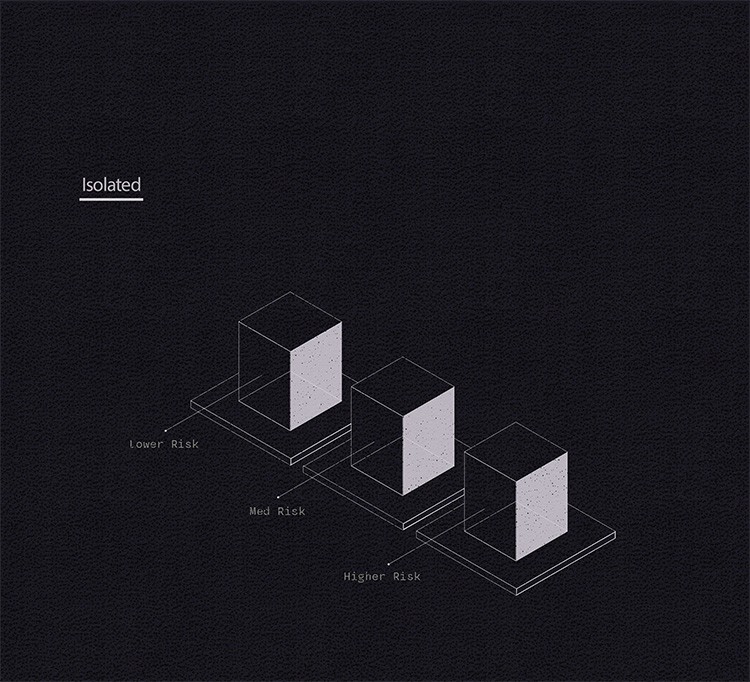
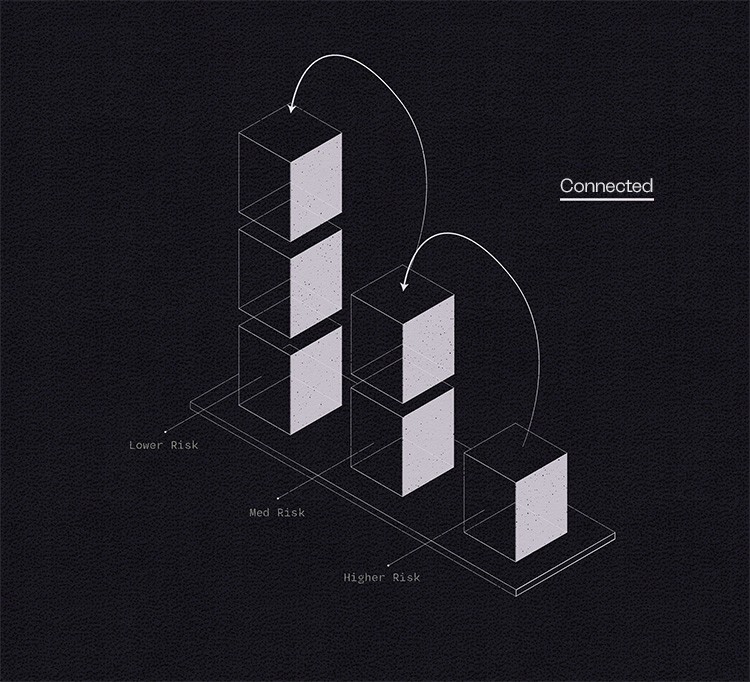
Other protocols make you choose: risk segmentation or deep liquidity. Lotus connects capital across the risk curve so you get both.
Market Structure
Different at the market level.
Other protocols make you choose: risk segmentation or deep liquidity. Lotus connects capital across the risk curve so you get both.
Market Structure
Different at the market level.
Other protocols make you choose: risk segmentation or deep liquidity. Lotus connects capital across the risk curve so you get both.
Work with us
We're onboarding early partners now. Let's talk.

Loanscape
Window-shop DeFi loans
Window-shop DeFi loans
Loanscape helps you find your best loan by comparing opportunities across major DeFi venues.

Questions & Answers
Have more questions? Don't hesitate to contact us
What is Lotus Protocol?
Lotus Protocol is a decentralized lending protocol where lenders choose their risk tier and see exactly what has to break before they take a loss. Unlike pooled protocols where all lenders share blended risk, or isolated markets that fragment liquidity, Lotus uses connected tranches (multiple risk levels within a single market) so lenders get precise risk exposure without sacrificing liquidity depth.
When does Lotus Protocol launch?
Lotus launches in Q4 2026. Pre-deposits will precede first markets opening. Follow Lotus on X for timing updates.
Is Lotus Protocol audited?
Yes. Cyfrin completed a five-week comprehensive audit covering the full protocol surface, and all findings have been remediated, followed by a focused review of the refactored areas before deployment. That audit is the final step of a longer process; pre-audit reviews by 0x52 and Enigma Dark, AI-assisted scans by Cantina, Zellic and Cyfrin Cygent, and formal verification of core accounting invariants using the Certora prover.
What APYs can I expect with Lotus?
Lotus Protocol yields vary by tranche and market conditions. Junior tranches (higher risk, higher LLTV) earn higher rates than senior tranches (lower risk, lower LLTV). Unlike pooled lending protocols where all lenders earn the same blended rate, Lotus lenders choose their risk tier and earn rates corresponding to that specific exposure. The protocol's cascading supply design also creates a yield floor through productive debt, where idle capital in senior tranches earns yield-bearing asset returns.
How is Lotus different than Morpho?
The core difference is the lending protocol design. Morpho has isolated markets, while Lotus has markets that contain multiple risk-ordered tranches. In theory, the isolated architecture allows for risk segmentation across a lending pair by creating multiple markets. In practice, creating multiple markets fragments liquidity, so only a few sets of risk parameters become viable for a given lending pair. Lotus solves this problem with connected tranches that share liquidity, but segment risk.
Questions & Answers
Have more questions? Don't hesitate to contact us
What is Lotus Protocol?
Lotus Protocol is a decentralized lending protocol where lenders choose their risk tier and see exactly what has to break before they take a loss. Unlike pooled protocols where all lenders share blended risk, or isolated markets that fragment liquidity, Lotus uses connected tranches (multiple risk levels within a single market) so lenders get precise risk exposure without sacrificing liquidity depth.
When does Lotus Protocol launch?
Lotus launches in Q4 2026. Pre-deposits will precede first markets opening. Follow Lotus on X for timing updates.
Is Lotus Protocol audited?
Yes. Cyfrin completed a five-week comprehensive audit covering the full protocol surface, and all findings have been remediated, followed by a focused review of the refactored areas before deployment. That audit is the final step of a longer process; pre-audit reviews by 0x52 and Enigma Dark, AI-assisted scans by Cantina, Zellic and Cyfrin Cygent, and formal verification of core accounting invariants using the Certora prover.
What APYs can I expect with Lotus?
Lotus Protocol yields vary by tranche and market conditions. Junior tranches (higher risk, higher LLTV) earn higher rates than senior tranches (lower risk, lower LLTV). Unlike pooled lending protocols where all lenders earn the same blended rate, Lotus lenders choose their risk tier and earn rates corresponding to that specific exposure. The protocol's cascading supply design also creates a yield floor through productive debt, where idle capital in senior tranches earns yield-bearing asset returns.
How is Lotus different than Morpho?
The core difference is the lending protocol design. Morpho has isolated markets, while Lotus has markets that contain multiple risk-ordered tranches. In theory, the isolated architecture allows for risk segmentation across a lending pair by creating multiple markets. In practice, creating multiple markets fragments liquidity, so only a few sets of risk parameters become viable for a given lending pair. Lotus solves this problem with connected tranches that share liquidity, but segment risk.
Questions & Answers
Have more questions? Don't hesitate to contact us
What is Lotus Protocol?
Lotus Protocol is a decentralized lending protocol where lenders choose their risk tier and see exactly what has to break before they take a loss. Unlike pooled protocols where all lenders share blended risk, or isolated markets that fragment liquidity, Lotus uses connected tranches (multiple risk levels within a single market) so lenders get precise risk exposure without sacrificing liquidity depth.
When does Lotus Protocol launch?
Lotus launches in Q4 2026. Pre-deposits will precede first markets opening. Follow Lotus on X for timing updates.
Is Lotus Protocol audited?
Yes. Cyfrin completed a five-week comprehensive audit covering the full protocol surface, and all findings have been remediated, followed by a focused review of the refactored areas before deployment. That audit is the final step of a longer process; pre-audit reviews by 0x52 and Enigma Dark, AI-assisted scans by Cantina, Zellic and Cyfrin Cygent, and formal verification of core accounting invariants using the Certora prover.
What APYs can I expect with Lotus?
Lotus Protocol yields vary by tranche and market conditions. Junior tranches (higher risk, higher LLTV) earn higher rates than senior tranches (lower risk, lower LLTV). Unlike pooled lending protocols where all lenders earn the same blended rate, Lotus lenders choose their risk tier and earn rates corresponding to that specific exposure. The protocol's cascading supply design also creates a yield floor through productive debt, where idle capital in senior tranches earns yield-bearing asset returns.
How is Lotus different than Morpho?
The core difference is the lending protocol design. Morpho has isolated markets, while Lotus has markets that contain multiple risk-ordered tranches. In theory, the isolated architecture allows for risk segmentation across a lending pair by creating multiple markets. In practice, creating multiple markets fragments liquidity, so only a few sets of risk parameters become viable for a given lending pair. Lotus solves this problem with connected tranches that share liquidity, but segment risk.